Our Vision
Desired communities where meaningful growth, equal access to opportunity, and peaceful co-existence between all religious and tribal groups are fully attained.
Centre for Community Actions for Peace & Development
Since 2010, CCAPAD has partnered with faith leaders, grassroots movements, and public institutions to heal divisions, defend rights, and empower families to thrive beyond crisis.
About CCAPAD
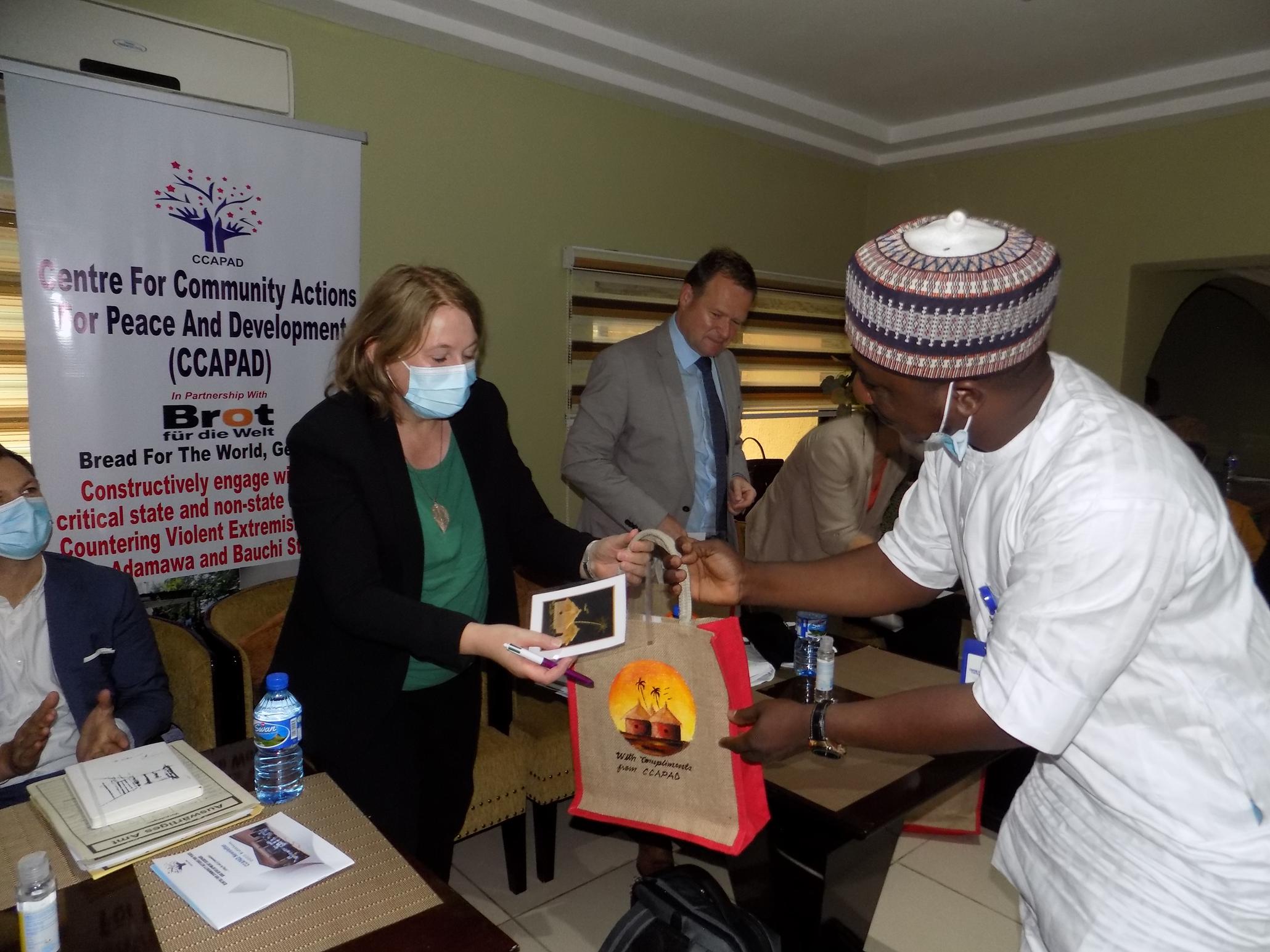
The Centre for Community Actions for Peace & Development is a non-governmental, non-profit organization headquartered in Jos, Plateau State. Conceived in 2004 at the height of ethno-religious violence, we formally launched in 2010 and secured full registration with the Corporate Affairs Commission (CAC/IT NO 97004) and the Economic and Financial Crimes Commission in 2016.
Our credibility is reinforced by global compliance systems, including D-U-N-S No. 561295835 and an EU Aid PADOR ID of NG-2020-DSQ-2708430988. From Plateau to Nigeria’s North-East and North-Central corridors, we co-create community-led solutions that restore trust, safeguard livelihoods, and expand civic space.
Geographic Reach
Hover or focus on each highlighted state to discover how we unite peacebuilding, livelihood resilience, and education access across northern Nigeria and the Federal Capital Territory.
Discover where we facilitate peace, livelihood, and education initiatives.
Jos North and the wider Plateau corridor endured repeated crises that fractured neighbourhoods along faith and ethnic lines. Today, the state’s 17 Local Government Areas host over 40 indigenous ethnic groups, 3.2 million residents, and thousands of farming and pastoral families.
While rooted in Plateau, CCAPAD now executes flagship peace, livelihood, and education projects across Bauchi, Gombe, Kaduna, Nasarawa, the Federal Capital Territory (Abuja), and Adamawa, ensuring lessons learned in one hotspot benefit every community we serve.
Vision & Mission
Desired communities where meaningful growth, equal access to opportunity, and peaceful co-existence between all religious and tribal groups are fully attained.
A one-stop centre guided by interfaith collaboration, gender inclusivity, enlightenment, and empowerment to constructively address community issues.
We leverage trusted relationships with stakeholders across peacebuilding and community development to convene dialogue, respond to crises, and accelerate homegrown innovations.
National Footprint
Home to 3.2 million residents across 17 Local Government Areas, Plateau’s diversity mirrors the entire nation. From this base, we deploy multi-state teams working in Bauchi, Gombe, Kaduna, Nasarawa, the Federal Capital Territory (Abuja), and Adamawa to stabilize livelihoods, strengthen civic trust, and deliver inclusive education.
Conflict transformation, mediation, interfaith dialogue, and trauma-aware healing circles.
Resilient agriculture, youth enterprise, and community safety nets that reduce economic triggers of violence.
Community enlightenment, civic education, and safe learning environments for children and youth.
Our Core Values
We elevate women’s leadership and ensure gender considerations are present from design to delivery.
Programs are tailored to the needs of persons with disabilities and other marginalized groups.
We prioritize protection, psychosocial support, and nurturing environments for children and young people.
Conflict sensitivity and trauma awareness shape every engagement, preventing unintended consequences.
Beneficiaries drive planning, implementation, and monitoring for every intervention.
Projects are handed over to communities to ensure local ownership, continuity, and long-term impact.
Thematic Areas
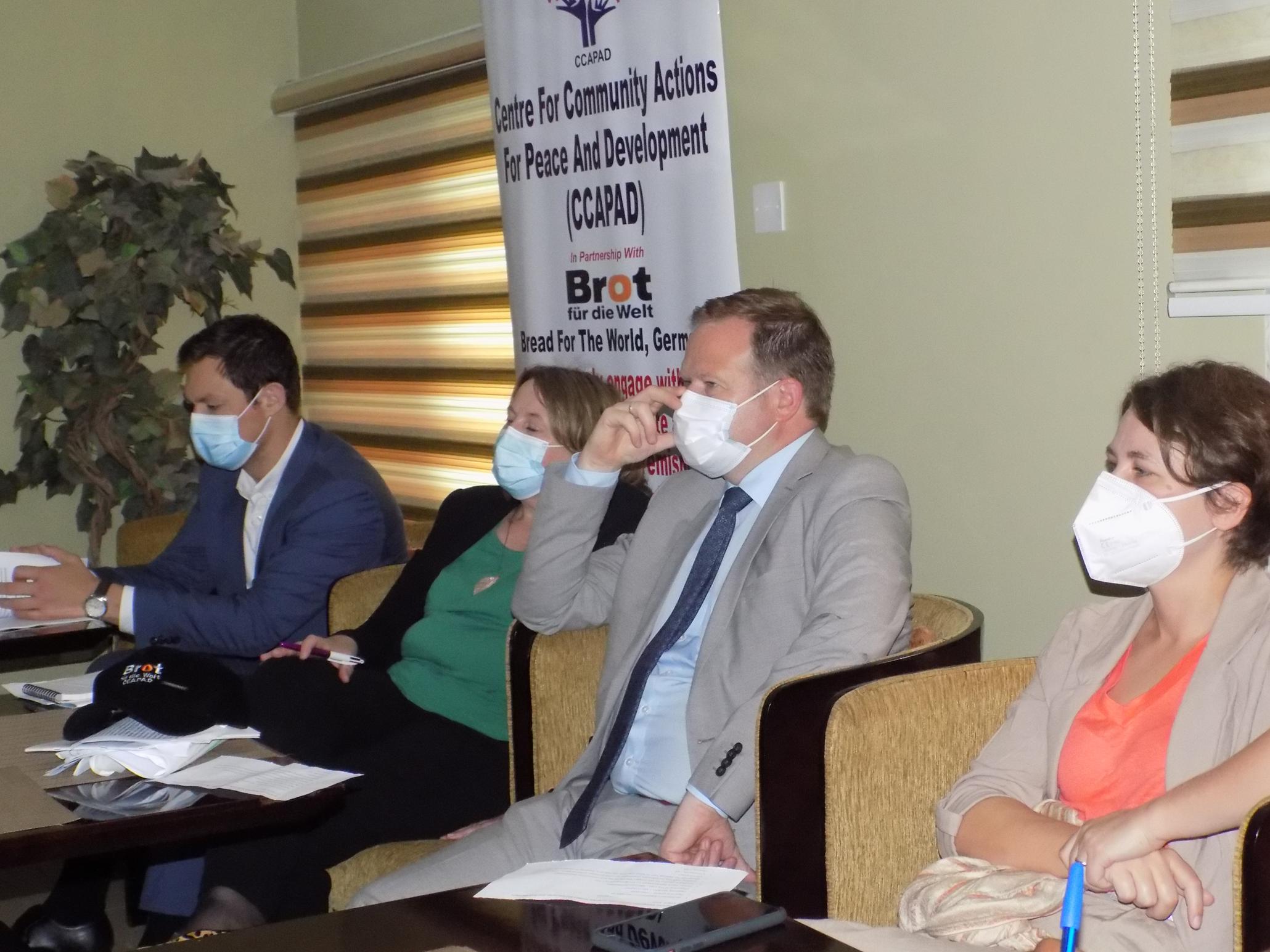
Facilitating mediation, dialogue, and community peace accords that rebuild confidence between religious and tribal groups.
Coexistence
Advocating for the right to life, dignity, education, work, and inclusive participation without discrimination.
Governance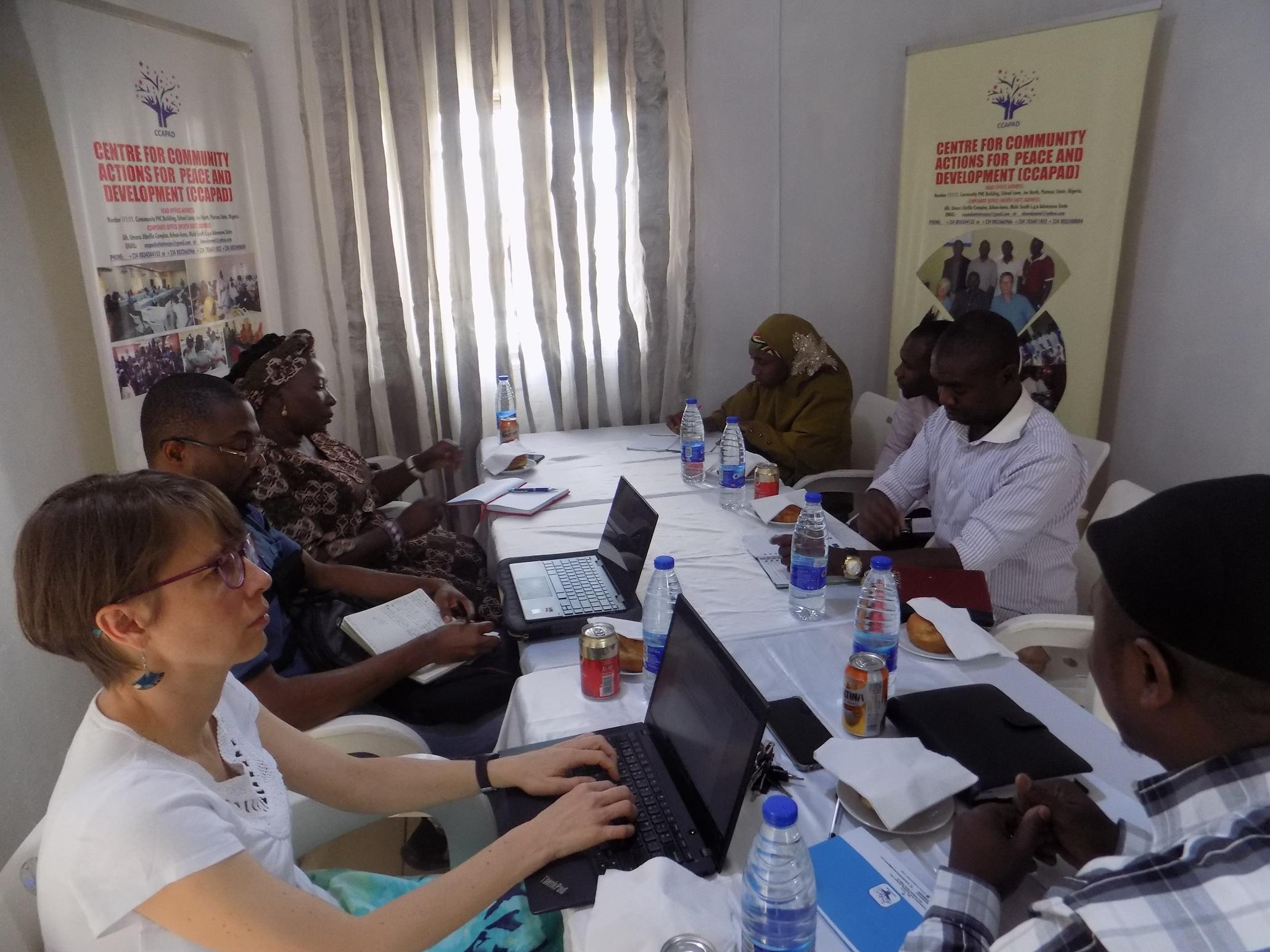
Delivering skills acquisition, empowerment, and child protection services that interrupt recruitment pipelines.
Resilience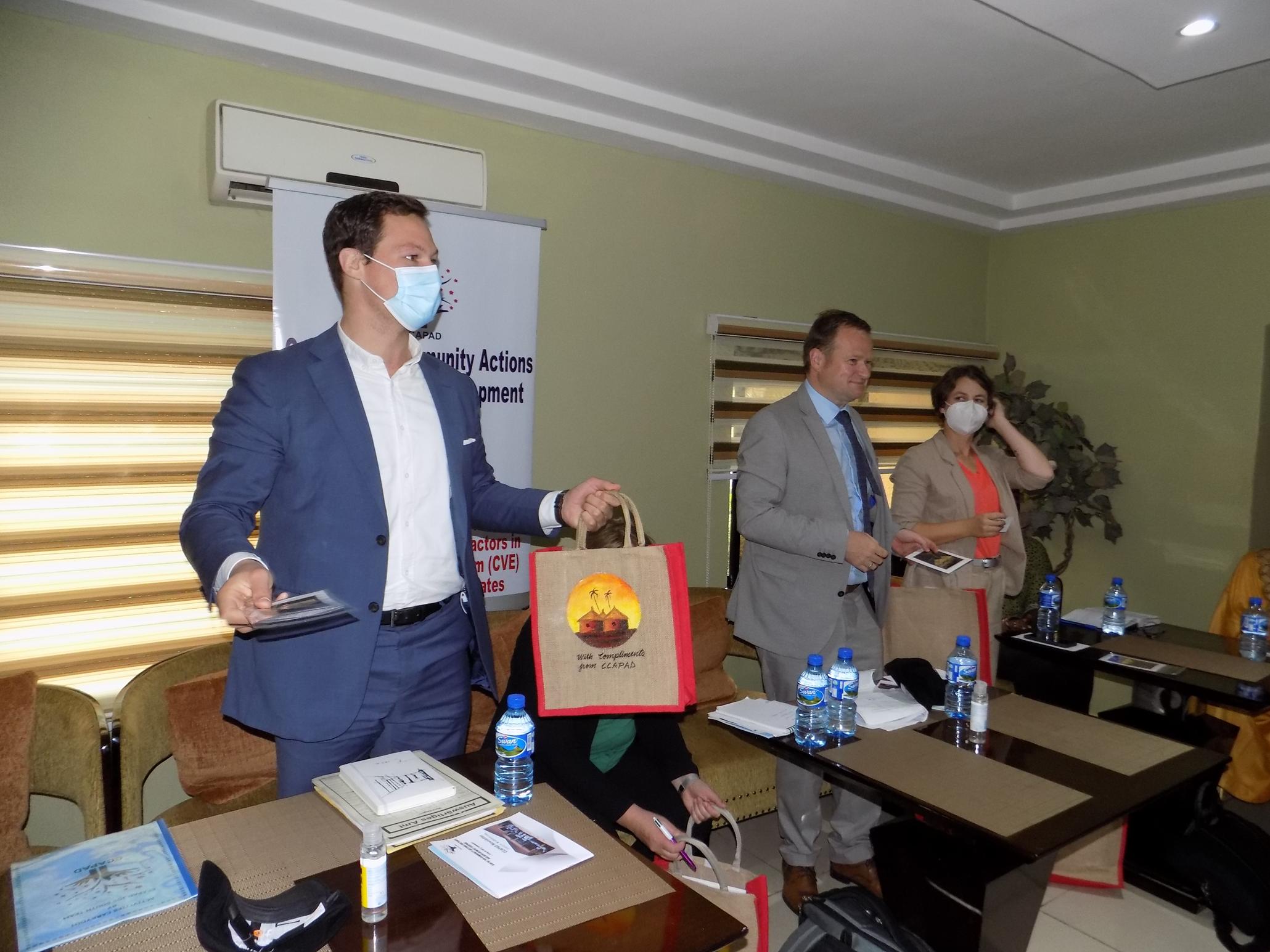
Combining spiritual awakening, self-forgiveness, counselling, and referral pathways to restore wholeness.
Healing
Raising awareness on the critical role of health, sanitation, and hygiene in building resilient households.
Well-beingStrategic Objectives
Initiate, strengthen, and sustain harmonious coexistence among all tribes and religious adherents.
Stimulate sustainable community development initiatives and innovations from the grassroots.
Provide capacity, linkages, and networks for community associations to collaborate with government and non-state partners.
Champion good governance, social justice, economic self-reliance, and gender equality.
Provide technical skills, health, and civic education that improve the wellbeing of children, women, and vulnerable youth.
Advocate for and respond to emergencies, natural disasters, and situations of public distress.
Mobilize communities to address drug abuse, hooliganism, and youth radicalism before they escalate.
National Presence
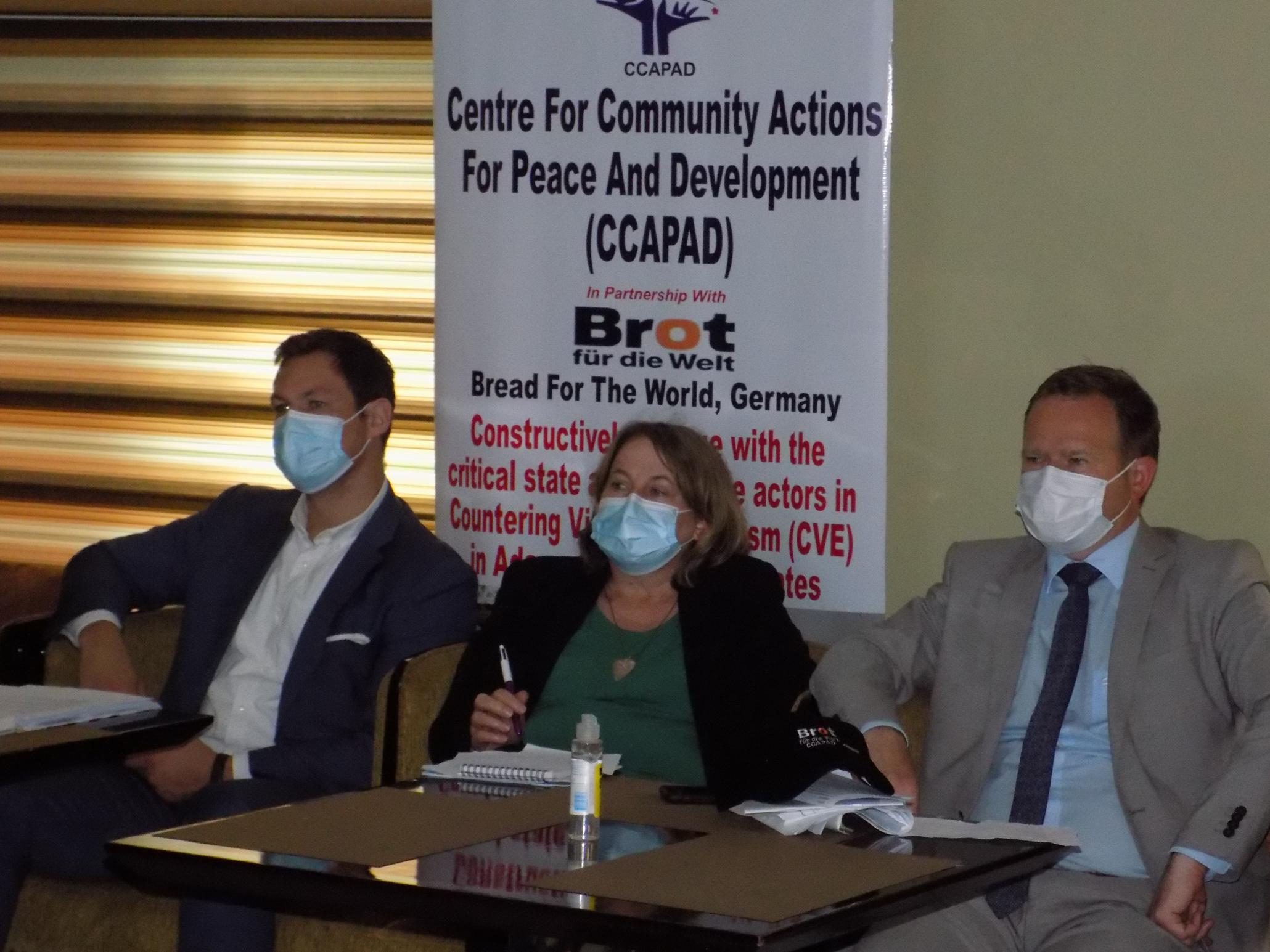
111/11 Community PHC Building, School Lane, Jos North.
No. 2 Bamako Street, opposite Kolere Health Care Center, Mubi North L.G.A.
No. 25, adjacent Nasarawa State Hospitals Management Board, Shendam Road, Lafia.